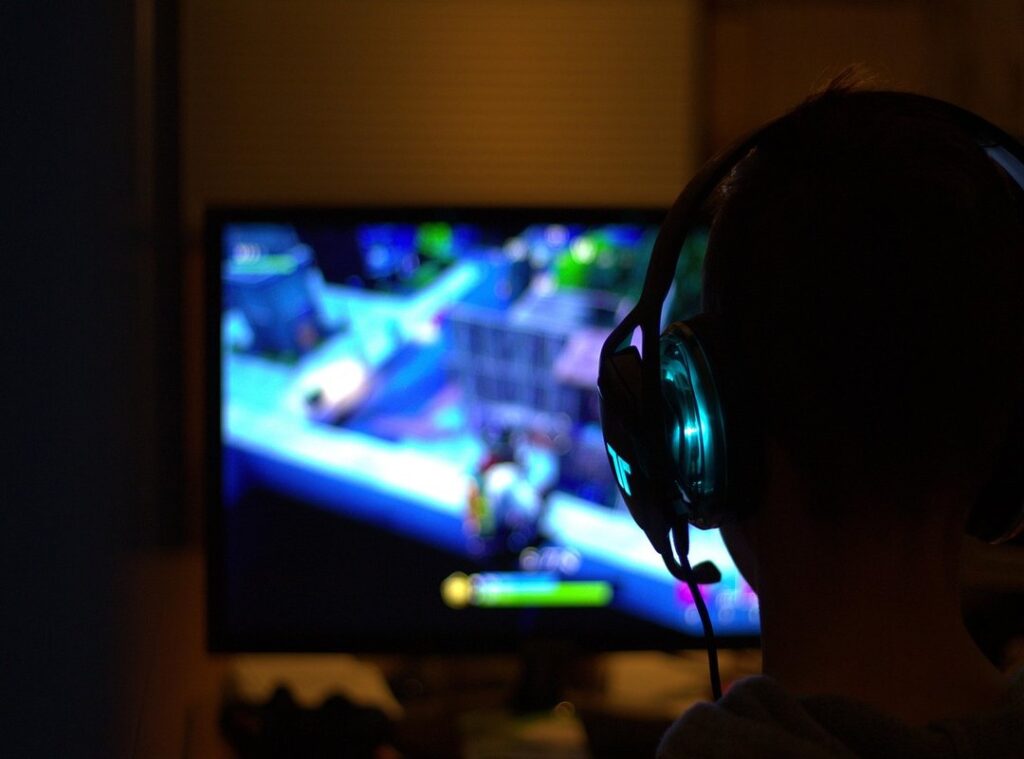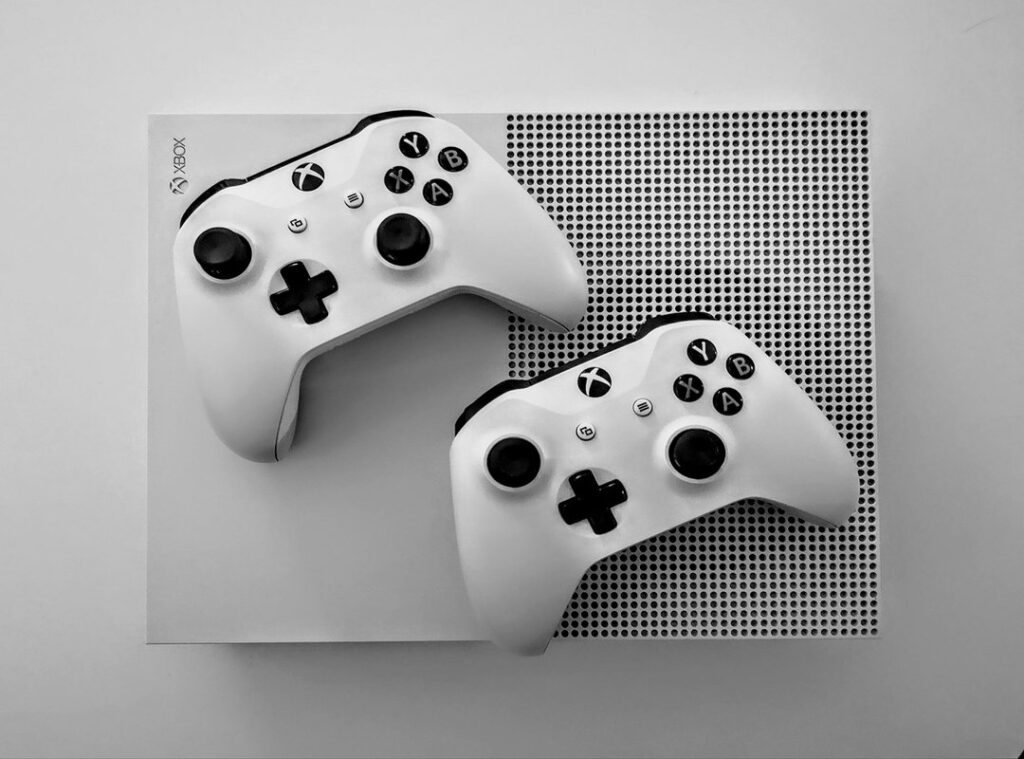

You want to play with your friends, but they own different gaming systems. Frustrating, right?
This article dives into cross-platform gaming to clear up the confusion. I’ve seen how rapidly gaming evolves and I’m here to break it down for you.
What is cross-play? How does it work? What are its benefits?
What challenges does it face? I’ll answer all these questions.
Cross-platform play changes the game. It connects players, breaking down barriers that used to keep us apart.
You might be wondering if it’s worth the hassle. Trust me, it is. I’ve spent time understanding the trends and tech behind online play.
By the end of this article, you’ll grasp what cross-play is but also how to engage with it effectively.
Let’s jump into the world of multiplayer gaming across different platforms and explore the future of gaming together.
Cross-Platform Multiplayer: The Gaming Connector
Ever wondered what cross-platform multiplayer really means? It’s when players on different consoles (like PC, PlayStation, Xbox, or even the Nintendo Switch) can jump into the same game session. It’s a game-changer for connecting friends regardless of their chosen hardware.
But let’s not get mixed up. Cross-play is different from terms like “cross-progression” or “cross-save.” Cross-progression lets you carry your game progress across different platforms, while cross-save syncs your saved game data in the cloud.
Now, not every game offers full cross-platform play. Some only allow console-to-console, or PC-to-console play. So, don’t assume every multiplayer game is cross-play ready.
And no, it doesn’t mean the game looks identical everywhere. Each system has its quirks.
Here’s a pro tip: Always check which platforms are supported before diving in. You’ll thank me later.
Speaking of evolving gaming experiences, have you checked out the evolving battle royale scene yet? It’s a wild ride with new elements constantly being added.
Cross-platform gaming is here to stay, and it’s reshaping how we connect. Have you tried it yet? If not, what’s holding you back?
The Unifying Power: Cross-Play Elevates Gaming
Cross-platform gaming. It’s the game-changer we’ve been waiting for. You can finally play with friends on any device.
No more awkward “Sorry, wrong console” moments. That’s the magic here. It breaks down barriers, letting us connect with a wider circle of friends and family.
Imagine this. You’re diving into a game with your best friend who’s on a different console. Suddenly, your community is bigger and matchmaking is faster.
You face diverse opponents, which keeps things fresh. No more waiting around for matches.
Cross-play doesn’t just boost our social lives. It keeps games alive. A larger player pool means games stay fun longer.
New and returning players keep things exciting. It’s like breathing new life into games that might otherwise fade away.
And let’s talk money. You can invest in games without worrying about platform exclusivity. Spend wisely, knowing you won’t be left out of the next big multiplayer experience.
Cross-play weaves an interconnected gaming world. It’s more immersive, less fragmented. You feel part of something bigger.
Check out cross-platform gaming if you haven’t already. It’s where gaming is headed, and I love it.
Navigating Cross-Play: A Developer’s Nightmare
Cross-platform gaming sounds like a dream, right? But it’s a mess behind the scenes. Developers juggle various hardware capabilities (a nightmare if you ask me).
Imagine trying to make a game work seamlessly on both a high-end PC and a console. It’s like asking a race car and a bicycle to compete on the same track.
Network latency differences add to the chaos. One minute you’re winning, the next you’re lagging behind because your connection can’t keep up. And then there’s the whole input method drama.
Keyboard and mouse versus controller (who) really wins that fight? It’s not fair. PC players often have the upper hand with their precision.
Console players, you’re not imagining it; you’re at a disadvantage.
Business politics are another beast. Platform holders often drag their feet on cross-play, and who can blame them? They’d rather keep players in their own space.
The revenue sharing models and data privacy issues don’t help either. It’s a tangled web.
Security? Don’t get me started. Ensuring a fair and cheat-free environment across platforms is like trying to patch a leaky boat.
Each platform has its quirks and vulnerabilities.
Managing updates and patches? It’s a logistical nightmare. Synchronizing content releases across multiple platforms requires serious coordination.
Despite these challenges, cross-platform gaming is worth pursuing. It broadens the player base and enriches the gaming experience. But it demands investment and collaboration.
Developers, if you’re diving into this, prepare for a wild ride.
Pioneering the Future: Important Cross-Platform Titles
Cross-platform gaming is everywhere now, isn’t it? Games like Fortnite and Call of Duty: Warzone have set the bar high. They’re not just popular; they’ve changed how we think about playing with friends across different systems.

Fortnite uses optional lobbies, letting players choose their experience. Warzone, on the other hand, leans into forced cross-play, pushing boundaries (and making it work). Both approaches have exploded their communities and success.
Then there’s Minecraft and Rocket League. Minecraft connects players using specific platform pairings. Rocket League opts for input-based matchmaking to keep things fair.
These choices aren’t just smart; they’re important for creating a balanced playfield, addressing the usual gripes about cross-play.
Emerging trends like co-op PvE and casual party games are a perfect fit for cross-play. They bring friends together without the fuss. And let’s not forget grand plan titles; they’re tapping into this too.
It’s about time, right?
These games are reshaping Social Features Multiplayer with their new setups, creating a more inclusive scene. We’re witnessing a gaming revolution. Who knew that playing across platforms would redefine our gaming connections so profoundly?
Master Your Setup: Cross-Platform Gaming Tips
Cross-platform gaming can be a hassle, but it doesn’t have to be. Here’s the deal: enabling cross-play varies by game. It usually means linking your platform account (like PlayStation Network or Xbox Live) to a game publisher account, such as Epic Games.
It’s not hard, but it can be annoying if you’re not prepared.
Got issues with voice chat or friend invites? It happens. Make sure your internet connection is solid.
If you’re on Wi-Fi, maybe reconsider. Wired is better. Privacy settings can also mess things up, so check those first.
Understanding platform-specific friend codes is key. It sounds like a pain, but it’s key for a smooth experience.
Don’t just wing it. Take time to set it up right. That way, you can focus on what really matters: the game itself. Confidence in your setup turns potential frustrations into smooth fun.
Who doesn’t want that?
Embrace the Future of Gaming
Cross-platform gaming has shattered the barriers that once kept gamers apart. You can connect with friends on any system and dive into shared experiences. Sure, challenges still exist, but the rewards of a united gaming community far outweigh them. Why limit yourself to just one platform?
Explore the vast world of cross-platform gaming. Engage with friends across different systems and discover new adventures together. Don’t miss out on evolving trends that continue to break down gaming silos.
Take the leap. Start your multiplayer journey today. Your gaming experience is waiting, so connect and play now.
 Senior Game Development Analyst & Esports Content Director
pablo_c4 is responsible for delivering in-depth gaming breakdowns, esports analysis, and development-focused content for PMW Game Station. His background in competitive gaming trends and game mechanics allows him to create detailed strategic guides and industry insights. He closely follows game studios, esports tournaments, and evolving gameplay systems to provide readers with valuable updates and expert commentary. pablo_c4 also oversees educational resources focused on professional gaming tactics and performance improvement. His analytical approach and passion for gaming innovation make him a key contributor to the platform’s content strategy. Through his work, PMW Game Station continues offering reliable and engaging gaming expertise for its audience.
Senior Game Development Analyst & Esports Content Director
pablo_c4 is responsible for delivering in-depth gaming breakdowns, esports analysis, and development-focused content for PMW Game Station. His background in competitive gaming trends and game mechanics allows him to create detailed strategic guides and industry insights. He closely follows game studios, esports tournaments, and evolving gameplay systems to provide readers with valuable updates and expert commentary. pablo_c4 also oversees educational resources focused on professional gaming tactics and performance improvement. His analytical approach and passion for gaming innovation make him a key contributor to the platform’s content strategy. Through his work, PMW Game Station continues offering reliable and engaging gaming expertise for its audience.