
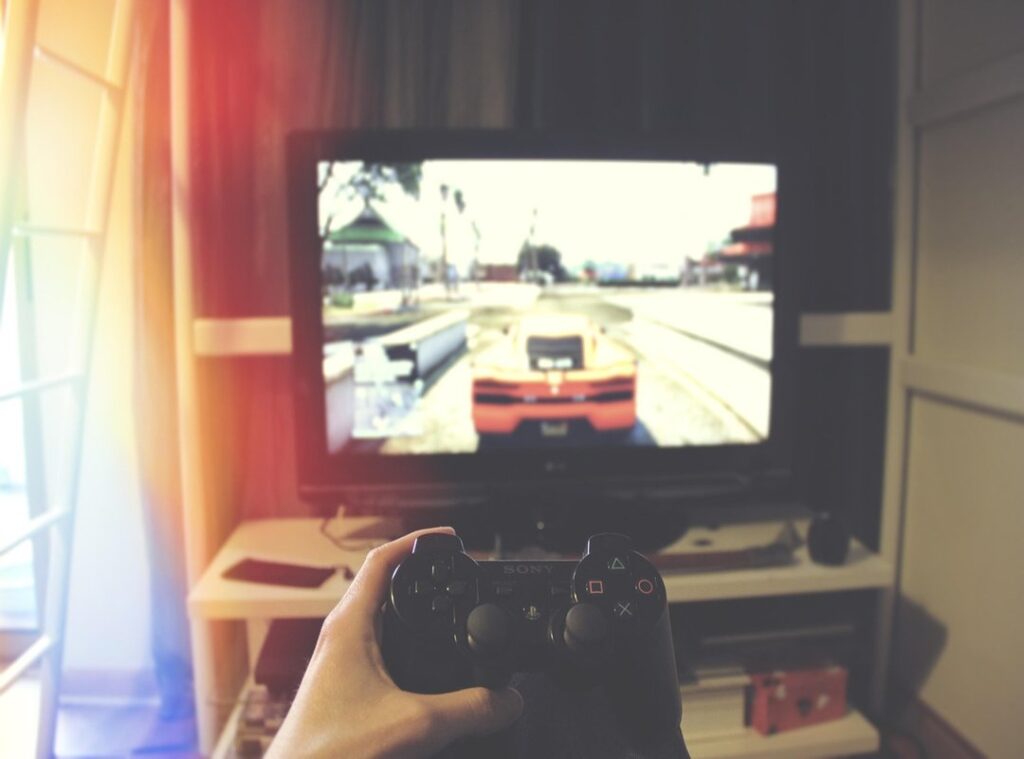
Gaming is more than just entertainment. It’s a deep dive into human psychology.
But how many gamers really understand the psychological forces at play? Many jump into games without realizing the impact on their thoughts and feelings. This can mean missing out on personal growth or falling into common traps.
I’ve seen it firsthand. Understanding how your mind works in gaming can transform your experience. These takeaways come from years of observing gaming trends and player experiences.
In this article, I’ll explore the core aspects of psychology in gaming. We’ll look at motivation, cognitive benefits, social dynamics, and the challenges that can arise.
Why does this matter? Because grasping these mental undercurrents can boost your gaming journey.
You’ll learn how to use this knowledge to improve your skills and enjoy games even more.
Whether you’re a casual player or a hardcore gamer, there’s something here for you.
Get ready to open up the deeper layers of gaming. Let’s dive into the mind’s role in this changing world.
The Psychology of Engagement and Flow: Why Games Hook Us
Ever been so lost in a game that you blink and hours have passed? That’s the magic of the flow state. It’s when you’re so immersed, time just slips away.
In gaming, this happens because of a mix of perfect challenge and total absorption.
Games nail intrinsic motivation by tapping into our curiosity and drive for mastery. You play not for rewards but because the game itself is rewarding. It’s about autonomy and purpose.
And let’s be honest, when a game hits that sweet spot, it’s hard to put the controller down.
Now, about those reward systems. They’re diabolical and brilliant. Variable reinforcement (like loot drops and experience points) is a psychological trick that keeps us coming back, hoping for the next big win.
Clear goals and immediate feedback amp up engagement. You always know what to do and how well you’re doing it. It’s like a constant tap on the shoulder saying, “Keep going, you’re almost there!”
Take progression systems, for example. These mechanics adjust to your skill, keeping the challenge just right. Want to dive deeper into how top players manipulate these strategies?
Check out this branded analysis and see what makes them tick.
Sharpening the Mind: Play Your Way to Smarts
Ever thought about how playing games can boost your brainpower? I have. The way complex puzzles and strategic choices train your mind is amazing.
You quickly learn to solve problems and adapt like it’s second nature.
Take fast-paced action games. They demand quick thinking. Your reaction time and processing speed?
They go through the roof. It’s like mental agility boot camp. And those open-world games with detailed maps?
They’re not just fun. They raise your spatial reasoning and navigation skills. You explore, track objectives, and suddenly, you’re a virtual map-reading pro.
Then there’s memory and attention. Games require laser focus, working memory, and the ability to recall details under pressure. These aren’t just gaming skills.
They’re life skills. Imagine translating these into your daily routine. Improved focus in tasks.
Better problem-solving at work.
It’s fascinating how these cognitive abilities cross over to real life. Want to know more about how game design can affect psychology? Dive into game design psychology: open up player motivation.
You might just find that the psychology in gaming is as thrilling as the games themselves.
Connecting Through Pixels: The Social Side of Gaming
Have you ever wondered how a bunch of strangers can come together in a digital world and feel like a family? That’s the magic of multiplayer games. They don’t just entertain; they bond us.
When we’re strategizing in a raid or celebrating a hard-fought win, we’re building friendships. It’s not just about pixels and points; it’s about shared experiences.
What’s fascinating is how these games teach us real-world skills. Leadership, negotiation, teamwork. These aren’t just buzzwords.
They’re the backbone of any successful team-based game. I’ve seen people transform from shy introverts to confident leaders all because they had to coordinate a virtual attack.
Now, online identities are a whole other ballgame. Your avatar isn’t just a character; it’s a piece of you. It’s where psychology in gaming gets really interesting.
You can explore different aspects of yourself, try on new personalities, and see what fits.
But it’s not all sunshine and rainbows. Toxicity can rear its ugly head, and social comparisons can sting. Yet, the positives.
Support networks, global connections. Often outweigh the negatives. Games are increasingly designed for collaboration, and that’s a trend I can get behind.
Isn’t it time we embraced this digital social scene?
Gaming’s Emotional Rollercoaster: Escapism to Resilience
Gaming is a wild ride of emotions. At its core, it’s a solid form of escapism. When life’s stressors pile up, diving into a virtual world offers a break from reality.

Whether you’re slaying dragons or building cities, it’s a chance to forget the mundane. But there’s more to it than just escape. Gaming plays a role in mood regulation too.
Achieving in-game goals or losing yourself in a gripping story can lift your spirits.
Yet, let’s not ignore the frustration. Competitive games can be brutal, right? The anger when you’re stuck at a level can be overwhelming.
Here’s a plan: take breaks, breathe, and practice mindfulness. It’s about managing emotions, not being controlled by them.
And those emotional highs and lows? They’re lessons in resilience and sportsmanship. Victory feels incredible, but defeat teaches control.
It’s all about learning to handle emotions healthily.
But gaming isn’t foolproof. It can also amplify negative emotions if you’re not careful. The trick is using it as a healthy coping mechanism.
Want to dive deeper into mastering these skills? Check out this topic on mastering pro level reflexes tactics. It’s a game-changer.
The Darker Side: Tackling Gaming Addiction
Gaming is great fun. But let’s face it, it’s not all sunshine and power-ups. Ever heard of gaming disorder?
It’s when gaming gets out of control. You might play for hours, ignoring real-world duties. School, work, even hygiene can take a backseat.
Crazy, right?
Psychology in gaming is fascinating. But when gaming becomes your main source of self-esteem or emotional release, it’s a slippery slope. You start losing touch with healthier activities.
Friends and family notice. They see you slipping. And you feel it too.
The stress piles up, but you can’t stop.
So, what can you do? Set time limits. Easy to say, hard to do, I know.
Diversify your hobbies. Try something new. Physical activity is a game-changer (pun intended).
Seek support. Talk to someone. They can help keep you grounded.
Self-awareness is key. Be proactive. Make sure gaming stays positive and enriching.
You don’t want it running your life. Keep it balanced, and you’ll enjoy it more. Trust me, the real world can be just as rewarding.
Level Up Your Gaming Mindset
Understanding the psychology in gaming is key for a richer experience. Gaming can boost cognitive function, social ties, and emotional health when approached mindfully. But without awareness, it can also lead to pitfalls.
I urge you to reflect on your gaming habits. Are you playing mindlessly? Apply these takeaways to make your gaming journey more intentional.
The path to personal growth and enjoyment lies in being mindful of your motivations and emotional responses. Dive deeper into these concepts. Find resources that help you connect with both games and yourself.
Start your mindful gaming journey today.
 Founder & Chief Gaming Strategist
Qynovox Ray is the visionary founder behind PMW Game Station, leading the platform with a passion for competitive gaming and digital innovation. Known for his deep understanding of multiplayer ecosystems and gaming culture, he built the brand to connect gamers with industry insights, expert strategies, and trending developments. His leadership focuses on creating a reliable destination for both casual players and esports enthusiasts. Qynovox oversees editorial direction, gaming analysis, and community engagement initiatives. With a strong eye for emerging gaming technologies and player behavior, he continuously pushes the platform toward innovation. His dedication has helped PMW Game Station grow into a recognized voice within the gaming community.
Founder & Chief Gaming Strategist
Qynovox Ray is the visionary founder behind PMW Game Station, leading the platform with a passion for competitive gaming and digital innovation. Known for his deep understanding of multiplayer ecosystems and gaming culture, he built the brand to connect gamers with industry insights, expert strategies, and trending developments. His leadership focuses on creating a reliable destination for both casual players and esports enthusiasts. Qynovox oversees editorial direction, gaming analysis, and community engagement initiatives. With a strong eye for emerging gaming technologies and player behavior, he continuously pushes the platform toward innovation. His dedication has helped PMW Game Station grow into a recognized voice within the gaming community.