Multiplayer games can be frustrating, right? You know how it feels to lose due to bad teamwork. Many gamers grasp the concept of teamwork but struggle to put it into action.
I’ve been there. It’s disheartening to have a team that just doesn’t click.
This isn’t just about playing the game; it’s about understanding team dynamics gaming and how to make it work for you. I’ve spent countless hours analyzing competitive play and observing what makes some teams soar while others crash. My aim is to share those takeaways with you.
In this article, I’ll provide clear definitions, actionable steps, and practical examples to help your team find the combo it needs. You’ll learn how to take your gameplay to the next level.
By the end, you’ll have tools to transform your gaming experience. Trust me, this is the guide you need. Let’s dive in and make your victories more consistent.
The Core of Victory: Teamwork in Gaming
When we talk about team collaboration in gaming, it’s not just about playing together. It’s about synchronized effort, shared goals, and having each other’s backs. Think of it like a band where everyone knows their part and nails it.
Without that, even the best players can fall apart.
In MOBAs like League of Legends, it’s about lane assignments and nailing those gank timings. If you don’t coordinate, you’re toast. Same goes for FPS games like Valorant.
Entry fragging and callouts are key. Miss one, and your team crumbles. MMORPGs?
We’re talking role fulfillment and managing boss mechanics. You can’t just wing it.
But why does this collaboration matter? Simple. It elevates individual skills.
When a team clicks, it turns good players into an unstoppable force. It’s like watching a well-oiled machine at work.
What’s in it for you? Higher win rates, for one. It’s more fun when you’re winning (obviously).
Plus, there’s a stronger sense of community. You feel like you’re part of something bigger than just a game. And let’s be honest, faster progression is a sweet bonus.
So, if you’re serious about improving your game, focus on team dynamics gaming. It’s non-negotiable. Because , teamwork isn’t just a buzzword.
It’s the core of victory.
Master the Game: Communication Essentials
Communication in gaming isn’t just about talking. It’s about how you talk, listen, and use every tool at your disposal. I know what you’re thinking: “Yeah, yeah, just talk more.” But it’s deeper than that, especially in team dynamics gaming.
Let’s dive into verbal communication. Clarity and conciseness are key. You ever been in a match where someone yammers on and you miss a key play?
Keep your calls quick and precise. And for heaven’s sake, actively listen. Don’t just wait to talk.
Hear your teammate’s call and react. That’s how you win games. Your tone matters too.
Stay positive, even if you’re losing. I’ve seen teams crumble just because someone couldn’t keep it together.
Now, non-verbal cues. They’re underrated. Use the ping system.
Not just for danger, but for objectives and pathing. It’s like a secret language. And emotes?
Not just for fun. They tell teammates you’re ready or signal moves. Don’t overlook the minimap.
It’s your silent ally. Know where everyone is without needing constant chatter.
Picture this: you’re in a clutch moment in an FPS. A teammate calmly pings enemy movement while another silently positions themselves. No frantic shouting, just calm, strategic moves.
That’s what separates pros from amateurs.
Want to step up your game? Start adapting meta changes quickly. It’s a game changer.
Pro tip: Practice these strategies in casual matches. It’ll feel awkward at first, but soon you’ll wonder how you ever played without them. Communication isn’t just a tool.
It’s the lifeline of any gaming team.
Strategic Combo: Mastering In-Game Tactics
Moving from reactive play to proactive strategies isn’t just smart (it’s) necessary. You can’t just wing it and hope things work out. That’s how you lose.
Instead, define roles and specialize. Identify and use individual strengths. Are you the main tank or the sniper?
Maybe you’re the support or entry fragger. Know it and own it. But don’t get too comfortable.
Flexibility is key. Understanding other roles leads to better coordination. It’s like knowing your bandmates’ parts in a song.
Everyone has to be in sync.
Pre-game planning is where the magic begins. Discuss strategies, picks, bans, and initial approaches. You can’t rely on last-minute decisions.
Adapt plans based on opponent compositions or early game developments. Be prepared to switch it up if things go sideways. The best teams aren’t rigid; they’re adaptable.
Execution and adaptation during the game are key. Micro-coordination means focusing fire, timing abilities, setting up crossfires. Macro-coordination involves objective rotations, map control, engaging or disengaging as a unit.
The “shot caller” is the one making those key decisions. Support them effectively. It’s not just about one person; it’s a team effort.
Post-game analysis? Not optional. It’s how you refine strategies and learn from mistakes.
Look at what worked and what didn’t. This is where team dynamics gaming comes into play. It’s not just about individual skill; it’s about how you function as a unit.
Pro tip: always be learning.
Tools & Tech for Smooth Teamwork: Elevating Your Game
Team dynamics in gaming can make or break your experience. Voice chat applications are key. Discord is my go-to for setting up dedicated servers and channels. Push-to-talk is a lifesaver (seriously, nobody wants to hear your dog in the background).
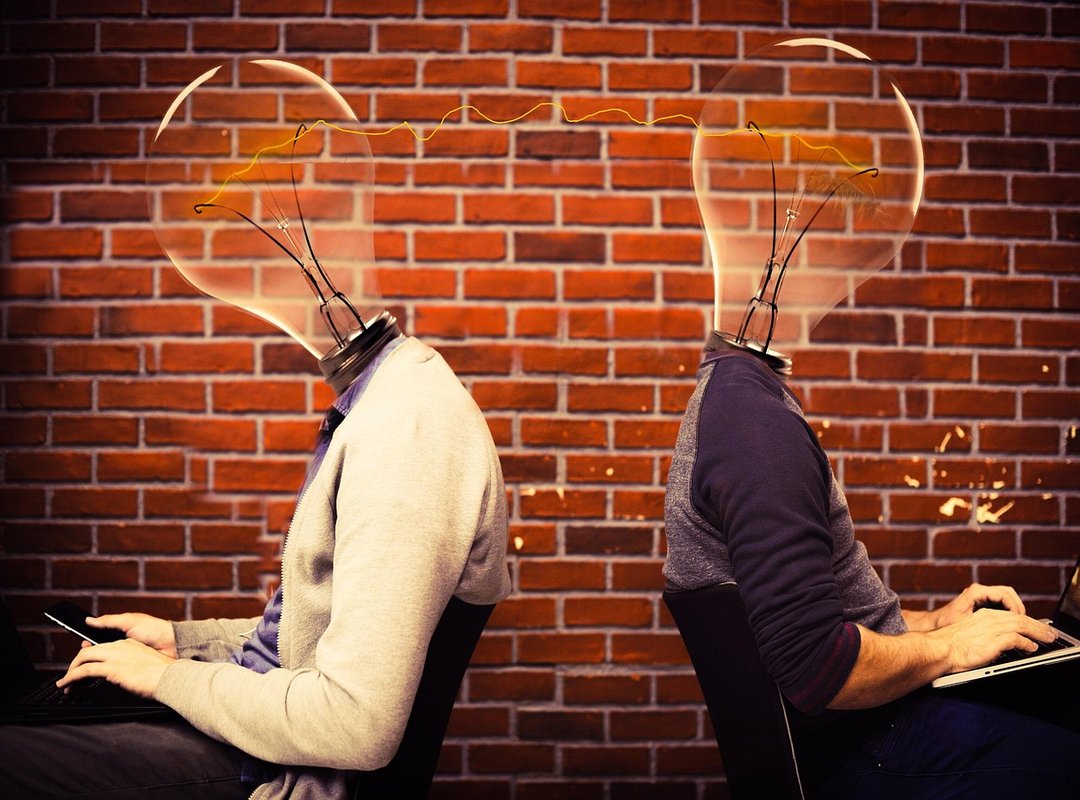
TeamSpeak and Mumble shine with their minimal latency for competitive setups, plus advanced audio controls.
Now, in-game features. Ever tried tweaking your HUD/UI to highlight key info like ultimate timers? It’s a game-changer.
Replay systems and spectator modes are perfect for team reviews. You see your mistakes clearer than ever.
But wait, there’s more! External resources can’t be overlooked. Shared documents and whiteboards like Google Docs and Miro help brainstorm and track progress.
VOD review software is important for dissecting gameplay footage. You can spot patterns and discuss improvements with your team.
Remember, these tools are only as good as your team’s commitment. If you’re not on the same page, no tech will save you. Speaking of commitment, building mental resilience is key.
Dive deeper into this with building mental resilience gaming.
Use these tools wisely. Raise your collaboration and see the difference in your gameplay.
Overcoming Obstacles: Game On!
When it comes to team dynamics in gaming, ego is a killer. I’ve seen teams crumble because one player hogged the spotlight. The fix?
Celebrate team wins over individual glory. Trust issues can also sink a squad. Consistent performance and open chats build that trust.
Poor leadership is another hurdle. Rotating leaders can bring fresh perspectives. Ever dealt with toxicity?
It’s like poison. A code of conduct helps, but sometimes you just need to take a break.
Availability is tricky too. I’ve been there, waiting for everyone to show up. Set clear schedules.
Make limited practice count with intense drills. The key is communication (and maybe a bit of patience).
Gaming isn’t just about skills. It’s about how you gel with your team. So, keep those egos in check, trust your mates, and practice like you mean it.
Your gaming experience will be richer for it. Trust me.
Take Action for Better Team Play
Mastering team dynamics gaming is your ticket to victory. Frustrated with uncoordinated teams? It’s time to change that.
Use the strategies we discussed. Start small and watch your gaming experience transform. Don’t wait.
Raise your game now and enjoy the thrill of true teamwork in your next session.
 Founder & Chief Gaming Strategist
rowan64 is the visionary founder behind PMW Game Station, leading the platform with a passion for competitive gaming and digital innovation. Known for his deep understanding of multiplayer ecosystems and gaming culture, he built the brand to connect gamers with industry insights, expert strategies, and trending developments. His leadership focuses on creating a reliable destination for both casual players and esports enthusiasts. rowan64 oversees editorial direction, gaming analysis, and community engagement initiatives. With a strong eye for emerging gaming technologies and player behavior, he continuously pushes the platform toward innovation. His dedication has helped PMW Game Station grow into a recognized voice within the gaming community.
Founder & Chief Gaming Strategist
rowan64 is the visionary founder behind PMW Game Station, leading the platform with a passion for competitive gaming and digital innovation. Known for his deep understanding of multiplayer ecosystems and gaming culture, he built the brand to connect gamers with industry insights, expert strategies, and trending developments. His leadership focuses on creating a reliable destination for both casual players and esports enthusiasts. rowan64 oversees editorial direction, gaming analysis, and community engagement initiatives. With a strong eye for emerging gaming technologies and player behavior, he continuously pushes the platform toward innovation. His dedication has helped PMW Game Station grow into a recognized voice within the gaming community.