
You might have noticed Ximena Saenz leaks trending online, sparking a lot of discussion. But let’s shift the focus. We need to talk about digital privacy and misinformation.
This article is here to guide you through navigating online rumors, protecting your personal information, and verifying what you see. It’s not about gossip. It’s about becoming a more informed and safer digital citizen.
I’ll give you actionable steps to protect yourself and avoid contributing to harmful trends.
The Anatomy of a Viral ‘Leak’ and Misinformation
Let’s talk about those so-called ‘leaks’ you see online. They’re often not what they seem. A lot of them are fabricated, or they use AI-generated content to create something that looks real but isn’t.
Take the ximena saenz leaks, for example. What started as a small, unverified rumor quickly turned into a viral sensation. People shared it without thinking, and before long, it was everywhere.
But here’s the kicker: much of it was old content taken out of context or outright fake.
Why do people create and spread this stuff? Sometimes it’s just for malicious intent. Other times, it’s about financial gain.
Clicks mean money, and sensational content gets clicks. Social manipulation is another big one. People want to control the narrative, and misinformation is a powerful tool.
Social media algorithms play a huge role too. They love sensational content and push it to more and more people. This creates an echo chamber where false information spreads like wildfire.
It’s a vicious cycle.
But here’s the thing. Sharing non-consensual or private material, even if you’re not sure it’s real, can have serious legal and ethical consequences. You could be aiding in the spread of harmful content, and that’s not a good look.
So, next time you see a ‘leak’ going viral, take a step back. Question its authenticity. Don’t add to the noise.
Practical Steps to Safeguard Your Digital Privacy
Enable Two-Factor Authentication (2FA)
First things first, turn on 2FA for all your social media accounts. It’s a simple step that adds an extra layer of security.
Conduct a Privacy Audit
Next, take a close look at your Facebook, Instagram, and X (Twitter) settings. Check who can see your posts, tag you in photos, and view your profile. This is crucial.
You don’t want just anyone peeking into your life.
Understand Your Digital Footprint
Your digital footprint is the trail of data you leave online. It includes everything from your social media posts to public records. To see what’s out there, search for your name on Google.
You might be surprised by what you find.
Use Strong, Unique Passwords
Use strong, unique passwords for each site. Don’t reuse passwords. If one gets compromised, they all do. Pmwgamestation
I recommend using a password manager to keep track of them. It makes life so much easier.
Be Cautious About Sharing Information
Be careful about what personal information you share, even in private groups or direct messages. Remember, screenshots can be taken and shared. Think twice before posting anything sensitive.
What’s Next?
Now that you’ve secured your social media, you might wonder, what’s next? Consider setting up regular privacy check-ins. Every few months, review your settings and update your passwords.
Stay vigilant. The internet is always changing, and so should your security measures.
ximena saenz leaks is a reminder of why it’s essential to stay on top of your digital privacy.
Your Fact-Checking Toolkit: How to Spot Fake Information
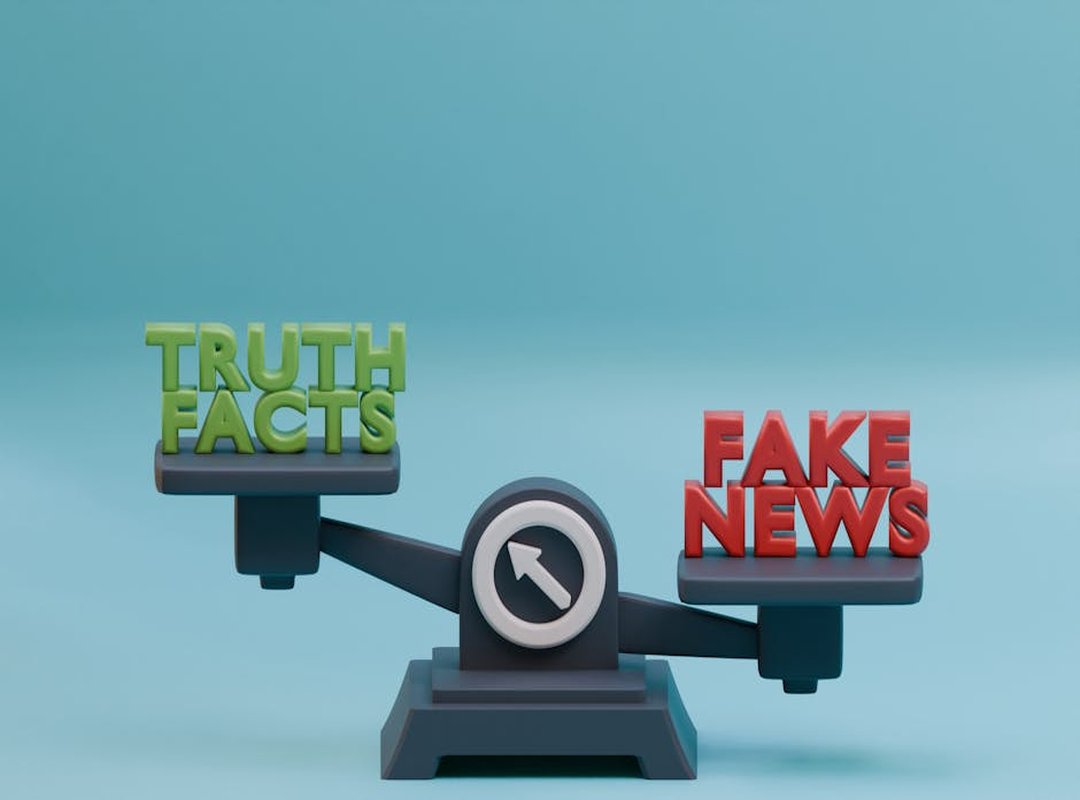
Let’s face it, we’ve all fallen for fake news at some point. It’s frustrating, right? You see a headline that seems too outrageous to be true, and yet, you can’t help but wonder.
First rule: Check the source. Is it a reputable news outlet or just an anonymous gossip account? If you can’t find any credible information about the source, it’s a red flag.
Now, let’s talk about images. Have you ever seen a photo and thought, “Wait, I’ve seen this somewhere before?” Perform a reverse image search using tools like Google Images or TinEye. This can help you see if a photo has been used in a different context.
Sensational claims need corroboration. If no major news outlets are reporting it, be skeptical. Don’t just take one source’s word for it.
Look for multiple, reliable sources to back up the story.
Emotionally charged headlines and content designed to provoke outrage are another common tactic of misinformation campaigns. Be wary of anything that feels like it’s trying too hard to make you angry or scared.
Deepfakes and AI-generated content add another layer of complexity. Look for subtle visual inconsistencies like unnatural blinking, strange lighting, or odd background details. These can be telltale signs of manipulated content.
Remember, staying vigilant is key. The next time you come across something like the ximena saenz leaks, take a moment to fact-check. It might save you from spreading misinformation.
Moving Beyond Rumors: A Smarter Approach to Online Content
The best way to handle online rumors is to disengage and focus on facts and digital safety. Every user has a responsibility to avoid sharing unverified and potentially harmful content.
ximena saenz leaks can spread quickly, causing harm. It’s crucial to verify information before sharing it.
Take 10 minutes after reading this article to update one password and review the privacy settings on your most-used social media app. Being a responsible digital citizen protects not only the individual but the entire online community from the harm of misinformation.
 Senior Game Development Analyst & Esports Content Director
pablo_c4 is responsible for delivering in-depth gaming breakdowns, esports analysis, and development-focused content for PMW Game Station. His background in competitive gaming trends and game mechanics allows him to create detailed strategic guides and industry insights. He closely follows game studios, esports tournaments, and evolving gameplay systems to provide readers with valuable updates and expert commentary. pablo_c4 also oversees educational resources focused on professional gaming tactics and performance improvement. His analytical approach and passion for gaming innovation make him a key contributor to the platform’s content strategy. Through his work, PMW Game Station continues offering reliable and engaging gaming expertise for its audience.
Senior Game Development Analyst & Esports Content Director
pablo_c4 is responsible for delivering in-depth gaming breakdowns, esports analysis, and development-focused content for PMW Game Station. His background in competitive gaming trends and game mechanics allows him to create detailed strategic guides and industry insights. He closely follows game studios, esports tournaments, and evolving gameplay systems to provide readers with valuable updates and expert commentary. pablo_c4 also oversees educational resources focused on professional gaming tactics and performance improvement. His analytical approach and passion for gaming innovation make him a key contributor to the platform’s content strategy. Through his work, PMW Game Station continues offering reliable and engaging gaming expertise for its audience.