
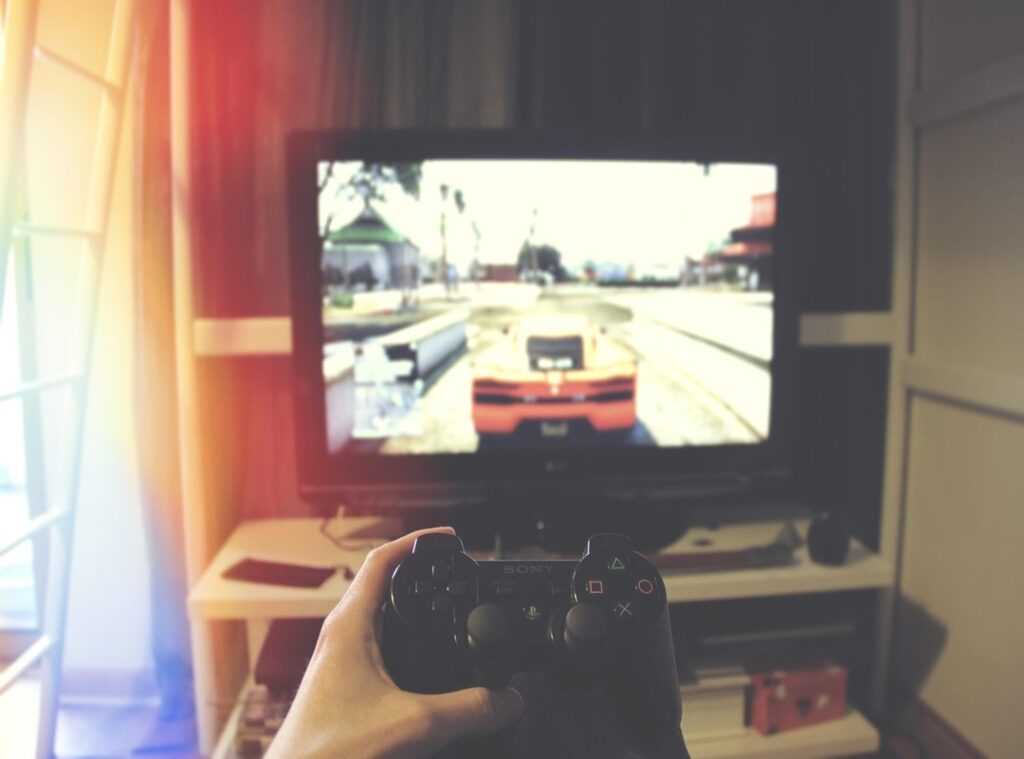
Every FPS player knows the frustration of battling on a poorly designed map. Unbalanced layouts or stale environments can ruin the experience, making it feel unfair and tedious. I’ve been there too, and it’s infuriating.
This guide dives into FPS map control by sharing takeaways from years of analyzing countless maps in both competitive and casual scenes. I’ve seen what makes a map thrive and what leads to its downfall.
You can trust this content because it’s rooted in real experience and observation. I won’t just throw around theory; I’ll give you actionable strategies that you can use today.
By the end of this article, you’ll understand how to create and maintain maps that are engaging, fair, and long-lasting. Let’s explore how solid map management can transform your gameplay and keep players coming back for more.
FPS Map Management: Mastering the Game
First-person shooter map management is a beast. It’s not just about designing a map and calling it a day. Oh no.
It’s a continuous, iterative process where you’re constantly tweaking things like balance and rotation while integrating community feedback. Why? Because effective map management directly impacts player retention and the competitive scene.
If you get it wrong, players bolt. If you nail it, the game can thrive for years.
Let’s break it down. First, there’s the initial design philosophy. This is your starting point, the DNA of your map.
Then come the ongoing balance adjustments. Maybe a sniper perch is too dominant or a choke point becomes a frustrating bottleneck. You have to adapt.
Strategic map rotation keeps the experience fresh, preventing players from getting bored. And, of course, there’s the community feedback loop, which is important for long-term success.
I’ve seen it firsthand. A game can live or die by its maps. Good FPS map control?
It keeps players engaged and coming back for more. Bad management? It leaves a sour taste that players don’t forget.
Want more takeaways? Check out this guide for team communication tips.
The Blueprint: Crafting Killer FPS Maps
Creating a stellar FPS map is like orchestrating a symphony. It’s all about flow. Flow dictates how players move and engage.
Does your map keep players on their toes, or does it turn into a mindless run-and-gun fest? Nobody wants dead zones where nothing happens. You need to guide players without them even realizing it.
And verticality? It adds layers (literally) to gameplay. Snipers can find their perches while close-quarters combatants get creative.
Strategic cover usage and verticality are game-changers. They allow for different tactical approaches and counter-play. Think about it: a well-placed piece of cover can be the difference between life and death.
Chokepoints and objective placement are your map’s heart and soul. These elements guide player interactions and create those unforgettable moments. Remember that epic showdown you had?
Probably happened at a chokepoint. But balance is key. You want to build individual skill while encouraging team plan.
It’s a tightrope walk.
Curious about improving your aim? Check out the 3d aim trainer: best game to level up your skills. Mastering FPS map control isn’t just about the map; it’s about how you move within it.
Let’s craft maps that challenge and excite.
The Art of Balance: Fair Play in FPS Maps
You ever play an FPS and wonder why some areas are total death traps? Unfair spawn advantages and overpowered sightlines are culprits. These bits can ruin the game.
What about those notorious camping spots? Drives me nuts.
To tackle these nightmares, we can dig into player data. Heatmaps, kill/death ratios, objective capture rates. These numbers tell a story.
But numbers alone don’t cut it. You gotta listen to the community too. You might think you know best, but players are the ones in the trenches.
Now, tweaking maps? That’s an art. You make small, targeted adjustments.
You test it, then test it again. And guess what? More data analysis.
Balancing maps is like doing a puzzle with missing pieces.
Don’t forget the challenge of different skill levels. Balancing for both casual and competitive players can feel like juggling. And different game modes add another layer of chaos.
FPS map control is key for engagement.
Pro tip: Even if one side has an advantage, you can make the map feel fair. How? Tweak objective placements, and play with sightlines.
Often, it’s about perception. Fair maps keep players coming back. Isn’t that the end goal?
Map Rotation Mastery: Keep it Fresh, Keep it Fun
Ever wondered why games feel stale after a while? strategic map rotation kicks in. It’s key for keeping the game engaging and players on their toes. Without it, player fatigue sets in faster than you can say “game over.” New maps are like fresh playlists (remember mixtapes?); they shake things up and keep you coming back.
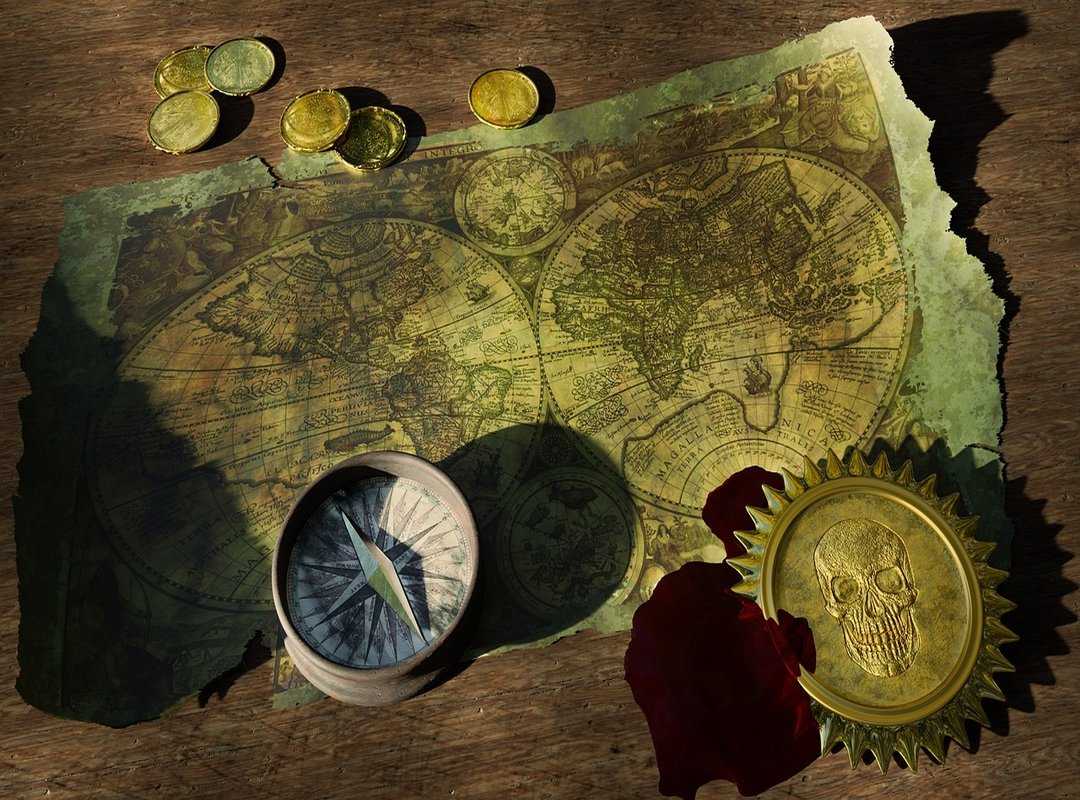
Rolling out new maps isn’t just about dumping them into the game and hoping for the best. I believe in community playtesting. Let players tell you what works and what doesn’t.
Phased rollouts are another trick. Ease them in and avoid overwhelming players. Seasonal content updates can work wonders, adding that extra layer of excitement.
Now, managing existing map pools is another beast. Some maps get old, fast. Players notice the flaws, the outdated mechanics.
That’s when you either update or rework them. If they still don’t cut it, consider temporary removal or even retiring them permanently. It’s about maintaining a balanced map pool: variety meets familiarity.
The competitive meta and esports events also sway map selection. If a map’s a hit in tournaments, expect to see it more. FPS map control gets an adrenaline boost when pros use different maps to display their skills.
Communicating these changes is key. Build hype. Don’t just slingshot new maps into the game.
Let players anticipate them. It’s like waiting for a new season of your favorite show. Tease them with what’s to come, and you’ll have them eagerly waiting for the next map drop.
Excitement guaranteed.
Game Maps: Community Feedback
Let’s be real. Players are the true experts when it comes to FPS map control. They’re the “testers” putting maps through their paces. So why wouldn’t we listen?
I lean on forums, in-game surveys, and social media to gather their takeaways. (I mean, where else do you get raw feedback?) Sure, there’s some noise, but that’s the price of engagement.
You ever wonder how to turn player feedback into real change? Separate the constructive from the whining. It’s not easy.
But when done right, you get maps that players actually want to play.
Communication is key. Players deserve to know what’s happening with their input. It’s about keeping them in the loop.
This transparency builds trust and loyalty. And it’s not just about updates. It’s about adapting to meta shifts too.
Players feel ownership, and that’s solid. You keep them happy, they stick around. It’s a win-win, right?
Master Your Map Game
Effective FPS map control is more than just a skill; it’s an art. Unbalanced or dull maps ruin the gaming experience. I’ve shared how thoughtful design and continuous balancing can raise any map.
Strategic rotation and community feedback make maps fair and fun.
Are you ready to take action? Observe the maps in your favorite games. Give feedback or dive into creating your own maps.
You’ll see how these principles transform gameplay. Don’t let poor map design hold you back. Take control and boost your experience today.
Your gaming journey deserves it. Start now.
 Founder & Chief Gaming Strategist
rowan64 is the visionary founder behind PMW Game Station, leading the platform with a passion for competitive gaming and digital innovation. Known for his deep understanding of multiplayer ecosystems and gaming culture, he built the brand to connect gamers with industry insights, expert strategies, and trending developments. His leadership focuses on creating a reliable destination for both casual players and esports enthusiasts. rowan64 oversees editorial direction, gaming analysis, and community engagement initiatives. With a strong eye for emerging gaming technologies and player behavior, he continuously pushes the platform toward innovation. His dedication has helped PMW Game Station grow into a recognized voice within the gaming community.